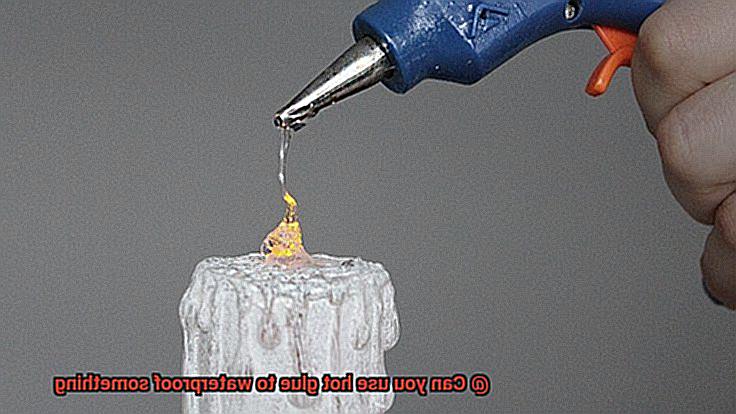
Do you constantly fret about water damage to your precious belongings? The mere thought of water ruining your electronics, fabrics, or other items can be overwhelming. But what if there was a solution that could protect your goods from water damage? Enter hot glue.
Hot glue is a popular adhesive used for various DIY projects, ranging from creating Halloween costumes to fixing broken household items. However, the million-dollar question is: can hot glue be used to waterproof something? It may seem like an odd pairing, but it’s actually a common query among crafters and DIY enthusiasts alike.
The notion of using hot glue as a waterproof seal sounds like a simple and cost-effective solution to water damage. But is it really that easy? In this blog post, we’re going to explore the idea of using hot glue to waterproof something. We’ll delve into what hot glue is, how it works, and whether or not it can provide a truly waterproof seal. Additionally, we’ll highlight some of the best hot glue products on the market that are designed specifically for waterproofing.
So whether you’re an experienced crafter or just seeking a way to safeguard your belongings from water damage, this blog post is tailor-made for you. Get ready to dive into the world of hot glue and waterproofing.
What is Hot Glue?
Contents
- 1 What is Hot Glue?
- 2 Does Hot Glue Provide Waterproofing?
- 3 Advantages of Using Hot Glue for Waterproofing
- 4 Disadvantages of Using Hot Glue for Waterproofing
- 5 Types of Hot Glue and Their Properties
- 6 How to Use Hot Glue for Waterproofing
- 7 Troubleshooting Common Problems When Using Hot Glue for Waterproofing
- 8 Alternatives to Using Hot Glue for Waterproofing
- 9 Conclusion
This thermoplastic adhesive is made from thermoplastic polymers and resins that are heated and melted in a hot glue gun or similar device. The melted glue is then applied to the surface that needs to be bonded and solidifies when it cools down.
Hot glue comes in different types, including low-temperature, high-temperature, and dual-temperature. Low-temperature hot glue is ideal for bonding delicate materials such as foam, ribbon, and lace, while high-temperature hot glue is perfect for heavier materials like wood, metal, and plastic. Dual-temperature hot glue can switch between low and high temperatures depending on the application.
One of the significant advantages of using hot glue is its fast curing time. It can bond materials in seconds, making it an excellent choice for DIY projects and crafts. Hot glue also has a strong hold and can withstand a certain amount of stress and strain. However, it may not be suitable for applications that require high strength or resistance to extreme temperatures.
Hot glue has numerous uses, making it an essential tool in every crafter’s toolbox. Here are some common applications:
- Crafting: Hot glue is popular among crafters because it dries quickly and has a robust hold. It can be used to create various crafts from paper crafts to jewelry making.
- Household repairs: Hot glue can also be used for household repairs such as fixing broken toys or gluing loose tiles.
- Woodworking: Hot glue is an excellent adhesive for woodworking projects that require a strong bond.
- Fabric: Hot glue can be used to hem fabrics or attach embellishments to clothing.
Many people wonder if hot glue can be used for waterproofing purposes. While hot glue alone may not make something waterproof, it can be used along with other materials to create a waterproof seal. For example, hot glue can be applied to the seam of outdoor fabric and then covered with a layer of waterproof tape or sealant. However, the effectiveness of the waterproofing will depend on the type of material being used and the conditions it will be exposed to.
Does Hot Glue Provide Waterproofing?
Hot glue may be a popular adhesive choice, but it’s important to understand that it may not offer complete waterproofing. As an expert in this field, I can tell you that the effectiveness of hot glue as a waterproof sealant depends on several factors.
Firstly, the type of hot glue being used is crucial. Some hot glues are specifically designed for wet or humid environments and offer better waterproofing capabilities than others. It’s essential to choose the right type of hot glue for the specific materials and environment you’ll be working with.
Secondly, the temperature at which you apply the glue is also significant. Applying hot glue at a high temperature can cause it to melt too quickly and lose its bonding strength. On the other hand, applying it at a low temperature may result in a weaker bond. Therefore, finding the perfect temperature for your specific project and materials is crucial.
Moreover, materials being bonded play a vital role in determining whether hot glue can provide effective waterproofing. While hot glue may work well with certain materials like plastics or metals, it may not be as effective with other materials like fabric or wood. So, it’s essential to consider the compatibility of your materials before applying hot glue.
Advantages of Using Hot Glue for Waterproofing
Hot glue is a versatile adhesive that has become increasingly popular for waterproofing applications. It offers numerous advantages for anyone looking to protect their belongings from moisture or water damage.
One of the most significant benefits of hot glue is its ease of use. It can be applied quickly and easily to a variety of surfaces, making it a top choice for DIY projects and repairs. Plus, it bonds quickly and forms a strong, durable seal that is resistant to moisture and water.
Another advantage of using hot glue for waterproofing is its affordability. Unlike other adhesives, hot glue can be purchased at most hardware or craft stores at an affordable price. This makes it an excellent choice for those looking to save money on repairs or home improvement projects.
Hot glue is also highly versatile and can bond with a wide range of materials such as plastic, metal, wood, and fabric. This versatility makes it an ideal solution for sealing gaps or cracks in any material that needs to be protected from moisture.
Moreover, hot glue excels in extreme temperatures, remaining effective even in harsh environmental conditions such as freezing temperatures or high humidity levels. This makes it an excellent choice for outdoor projects or repairs where waterproofing is essential.
Hot glue is not only waterproof but also shock-resistant. It can absorb shocks and vibrations, making it well-suited for applications where impact resistance is important. This feature makes it useful for repairing items that are exposed to rough handling or frequent movement.
Finally, hot glue is easy to remove if necessary. Unlike other adhesives that may leave residue or damage surfaces when removed, hot glue can be easily peeled off without leaving any marks or damage.
Disadvantages of Using Hot Glue for Waterproofing
Before you do, it’s important to understand the potential disadvantages of this popular choice. As an expert in waterproofing, I’m here to share some insight on the limitations of using hot glue for waterproofing.
One major disadvantage of hot glue is its lack of permanence. Although it may initially seal out water, hot glue can break down over time and become less effective. This means that if you’re using hot glue to waterproof something that will be exposed to water for an extended period, you may need to reapply it regularly to maintain its effectiveness.
Another limitation of hot glue is its compatibility with materials. While it works well with porous materials like fabric and paper, it may not adhere properly to non-porous materials like metal or plastic. This can lead to leaks or other issues that compromise the effectiveness of your waterproofing efforts.
In addition, working with hot glue can be messy and challenging. Uneven application or quick drying can make it difficult to create a watertight seal. This can also lead to leaks or other problems that compromise the integrity of your waterproofing efforts.
To ensure the best possible results when using hot glue for waterproofing, it’s important to be aware of these limitations and explore alternative solutions if necessary. Consider using additional waterproofing methods in conjunction with hot glue to achieve optimal protection from water.
Types of Hot Glue and Their Properties
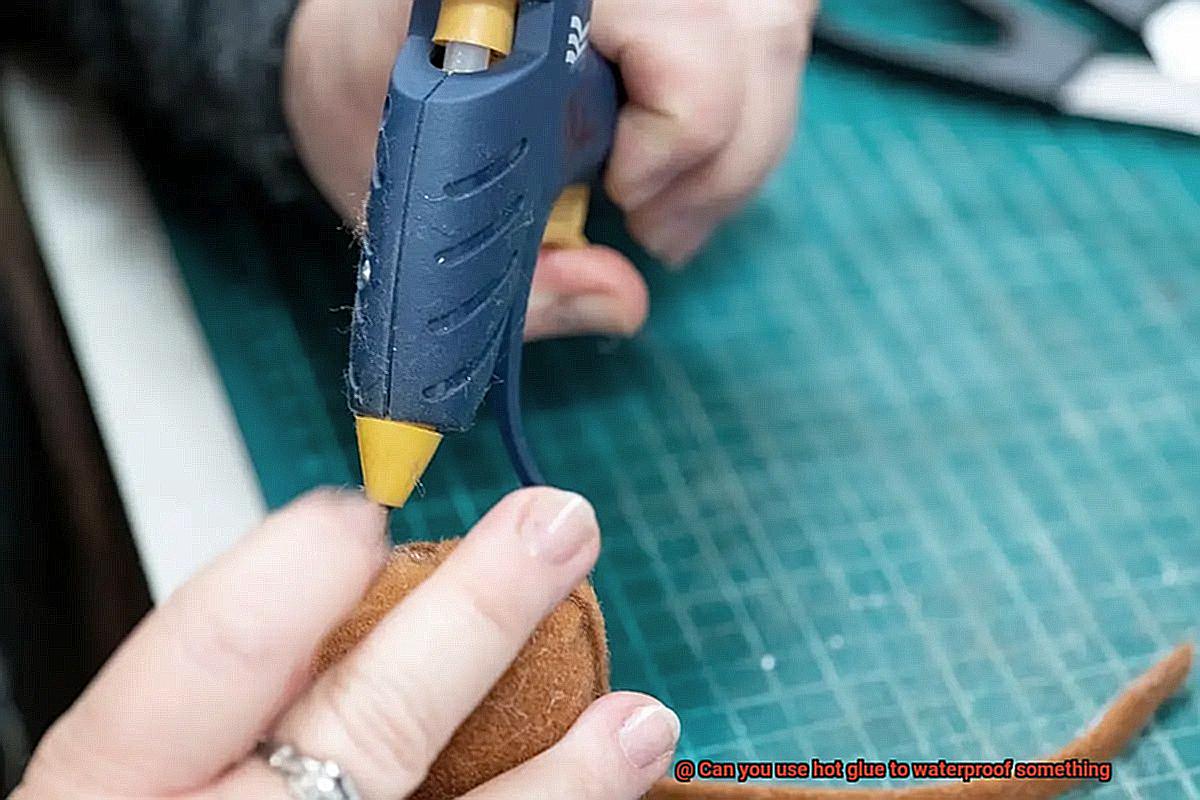
Hot glue is a versatile adhesive that can be used for a wide range of applications. However, not all hot glues are created equal. In fact, there are several different types of hot glue available in the market, each with its own unique set of properties and characteristics. Here are five sub-sections that will help you understand the different types of hot glue and their properties in more detail.
Low-temperature hot glue
This type of hot glue has a lower melting point (around 250 degrees Fahrenheit) than other types, making it ideal for use on delicate materials such as fabric, foam, and paper. It sets quickly and has a good holding power, making it perfect for lightweight applications such as paper crafts. Because of its low melting point, it is less likely to damage delicate materials.
High-temperature hot glue
This type of hot glue has a higher melting point (around 380 degrees Fahrenheit) and is a stronger adhesive than low-temperature hot glue. It is commonly used in woodworking, metalworking, and other heavy-duty applications where a stronger bond is required. The adhesive sets quickly and has a high holding power, making it an ideal choice for bonding materials such as wood, metal, and plastic.
Industrial-strength hot glue
This type of hot glue is designed for heavy-duty applications such as construction, manufacturing, and automotive industries. It has a much higher melting point than regular hot glue and can withstand extreme temperatures and harsh environmental conditions. Industrial-strength hot glue is ideal for bonding heavy materials such as metal or concrete.
Marine-grade hot glue
This type of hot glue is specially formulated to withstand exposure to saltwater and other harsh environmental conditions. It is ideal for use in boat repairs, outdoor furniture, and other marine applications where waterproofing is essential. Marine-grade hot glue can provide reliable waterproofing protection for your projects.
Specialty hot glue
There are also specialty hot glues available, such as colored hot glue, glitter hot glue, and even glow-in-the-dark hot glue. These types of hot glue are perfect for adding a unique touch to crafts or decorative items. They are ideal for creating decorative accents in your projects.
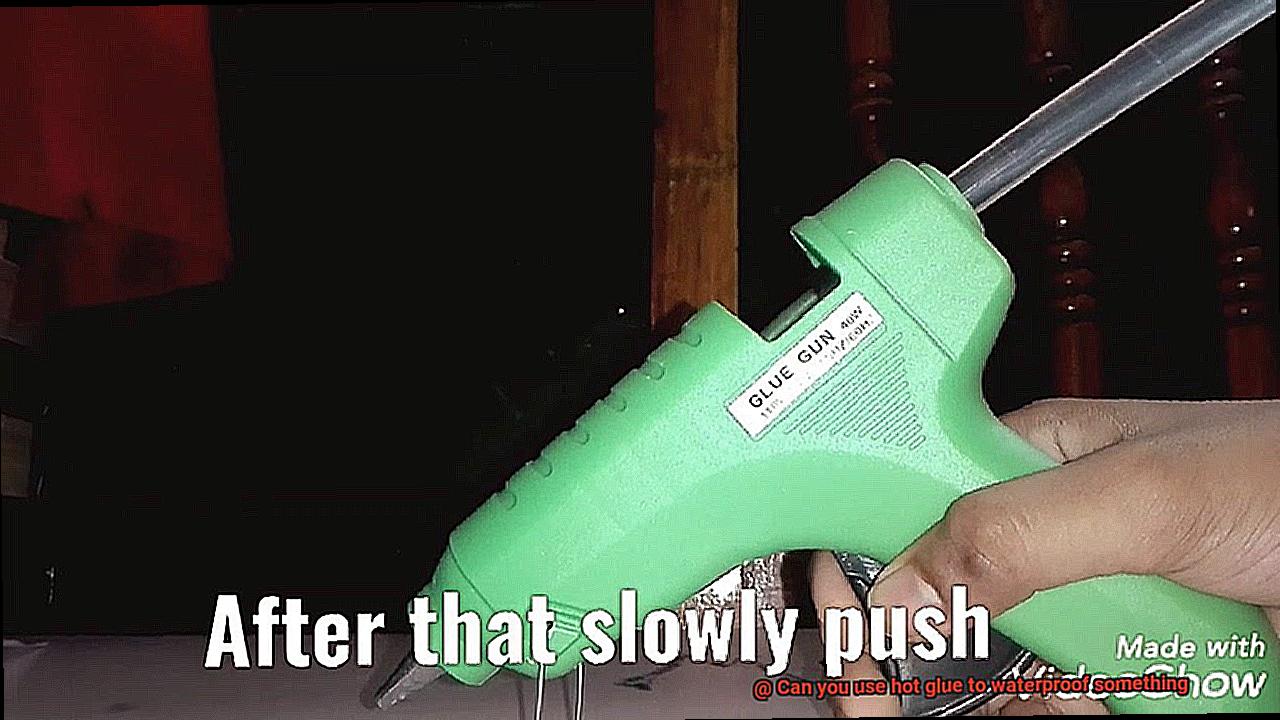
How to Use Hot Glue for Waterproofing
Hot glue is a versatile adhesive commonly used for various DIY projects, crafts, and repairs. However, not many people know that it can also be used as a waterproofing agent. While hot glue is not inherently waterproof, it can provide a temporary seal against water. With some tips and tricks, you can make hot glue more effective for waterproofing.
Choose the Right Type of Hot Glue
When using hot glue for waterproofing, it is essential to select the appropriate type of glue. Look for a hot glue that is specifically designed for outdoor use or has water-resistant properties. Waterproof or marine-grade hot glue is ideal for creating a long-lasting seal.
Prepare the Surface
To ensure maximum effectiveness, the surface you want to waterproof should be clean and dry before applying any glue. Remove any dirt, dust, or moisture from the area you want to seal. If needed, use sandpaper or an abrasive to rough up the surface slightly to help the glue adhere better.
Work Quickly and Carefully
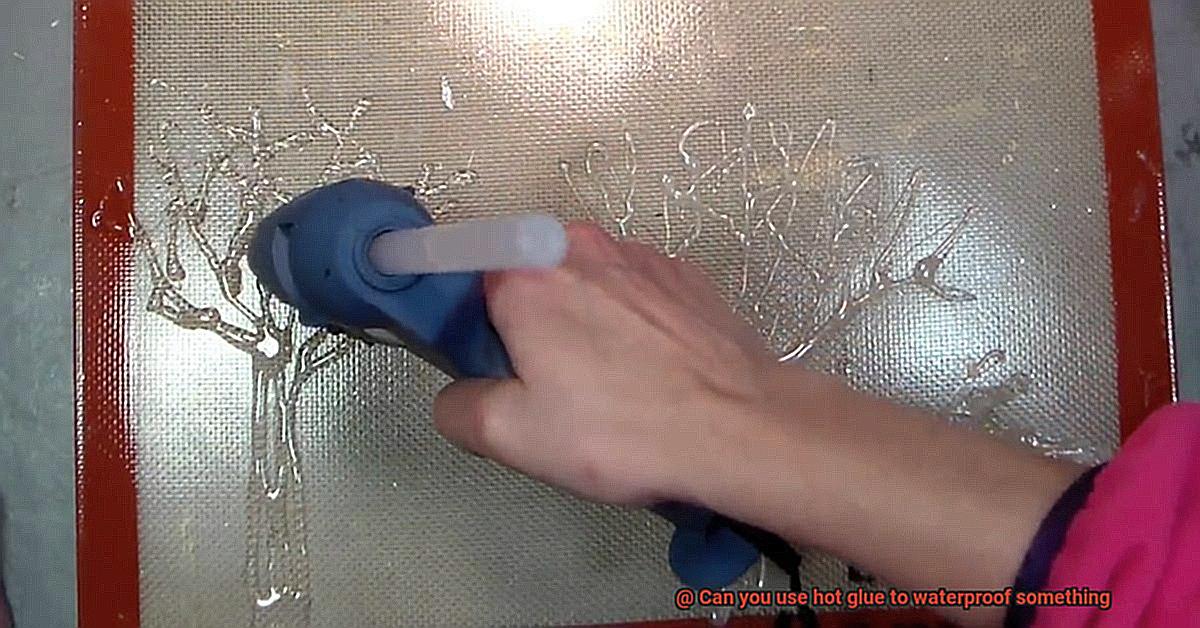
Apply the hot glue quickly and carefully, creating a smooth and even layer of glue that covers the entire surface you want to waterproof. It is best to work in small sections to avoid the glue drying out before you finish applying it. You may need to apply multiple layers of glue for maximum effectiveness.
Consider the Material
Hot glue works well on certain materials like plastic, metal, or glass surfaces, but it may not be suitable for all types of materials. Porous materials like fabric or wood may not provide enough adhesion for hot glue to create a waterproof seal.
Layer it Up
The layering technique is crucial when using hot glue for waterproofing. Apply a thin layer of hot glue to the surface and allow it to dry completely before adding another layer. Repeat this process until you achieve the desired level of water resistance.
It is important to note that hot glue is not a long-term solution for waterproofing and may not be suitable for extreme temperatures or harsh chemicals. In these cases, other types of waterproof sealants may be more appropriate.
Troubleshooting Common Problems When Using Hot Glue for Waterproofing
While it can be a great solution, it’s important to be aware of common problems that can arise and how to troubleshoot them. As an expert on this topic, I’m here to help you navigate these potential issues.
One of the most common problems is the hot glue not adhering properly to the surface being repaired. This can happen if the surface isn’t clean or dry enough before application. To solve this issue, make sure to thoroughly clean and dry the surface before applying the hot glue. A little extra effort in preparation will go a long way in ensuring a strong bond.
Another problem that may occur is the hot glue becoming brittle and cracking over time, especially in areas exposed to temperature changes or sunlight. To prevent this, use a high-quality, flexible hot glue specifically designed for waterproofing applications. Investing in the right type of hot glue will ensure that your repair lasts longer and won’t crack or break down over time.
Sometimes, even with proper preparation and high-quality hot glue, a completely watertight seal may not be achieved. This could be due to gaps or holes in the surface being repaired or by insufficient coverage of the hot glue. To fix this issue, apply additional layers of hot glue as needed and make sure to cover all areas thoroughly. Remember that multiple thin layers are better than one thick layer when it comes to creating a waterproof seal.
It’s important to note that while hot glue can be effective for many waterproofing applications, it’s not always suitable for extreme conditions. For items exposed to extreme temperatures, pressure, or constant immersion in water, a more specialized waterproofing material such as silicone or epoxy may be required. Knowing the limitations of hot glue will save you time and frustration in the long run.
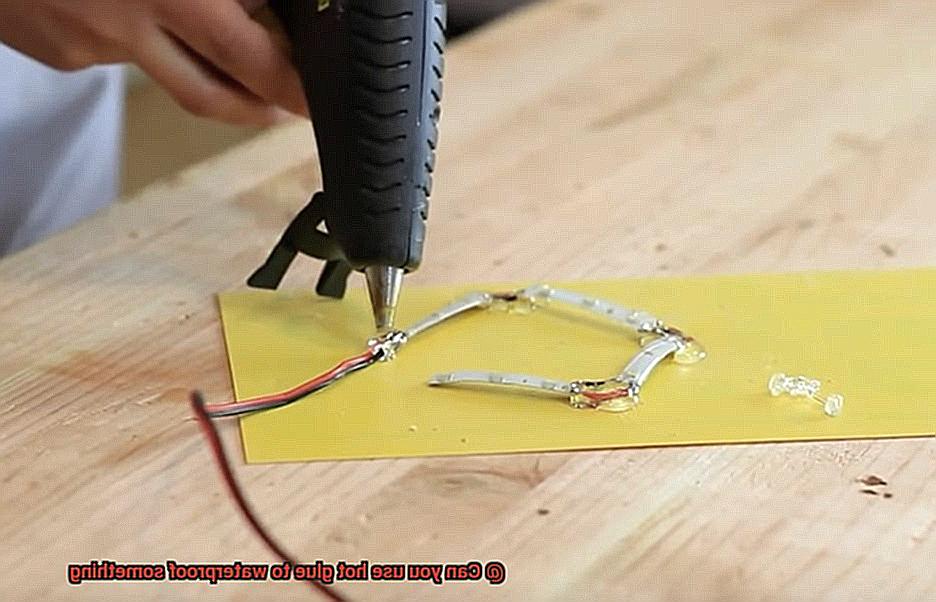
Alternatives to Using Hot Glue for Waterproofing
Fortunately, there are several alternatives available that offer better and longer-lasting results.
Silicone sealant is a flexible and durable material that creates a strong bond while keeping water out. It can be used on metal, glass, and plastic surfaces, making it ideal for various applications.
Epoxy resin is another option that creates a strong and waterproof bond on surfaces like wood and concrete. It’s also resistant to UV rays and chemicals, making it perfect for outdoor use.
For fabrics and textiles, waterproofing sprays can provide a protective coating without altering the appearance or texture of the material. They’re great for waterproofing clothing, tents, and other outdoor gear.
Lastly, specialized waterproofing tapes can create a strong and waterproof seal on a variety of surfaces. They’re perfect for sealing leaks or gaps in pipes or fixtures.
Conclusion
To sum up, hot glue can be a handy solution for waterproofing certain materials. However, it’s not an infallible method as its effectiveness depends on various factors such as the type of hot glue used, the temperature at which it’s applied, and the materials being bonded. While hot glue is a budget-friendly and user-friendly option, it may not provide a long-lasting remedy for waterproofing in extreme conditions.
Nevertheless, there are several types of hot glue available that offer unique properties and characteristics suitable for different applications. You can choose from low-temperature to industrial-strength and marine-grade hot glues depending on your requirements.
If you’re looking for an alternative to using hot glue for waterproofing, you can consider silicone sealant, epoxy resin, waterproofing sprays or specialized tapes that provide better and more durable results.
In conclusion, successful waterproofing requires understanding your materials and selecting the appropriate tools for the job.